Planning a wedding can be both an exciting and daunting task for couples. It marks a significant milestone in their lives, filled with love, joy, and the promise of a shared future. However, with so many details to consider, it can also become overwhelming. This article aims to provide couples with essential tips to help them navigate the planning process and create the perfect wedding day tailored to their vision.
The first step in planning a wedding is establishing a budget. Determining how much can be spent is crucial, as it will guide all subsequent decisions. Couples should sit down together to discuss their financial situation and set a realistic budget that accommodates their desires without leading to financial strain. A well-planned budget will include all major expenses such as the venue, catering, attire, decorations, and entertainment. It’s also wise to set aside a contingency fund for unexpected costs that may arise along the way. By having a clear financial outline, couples can focus on planning their dream wedding while staying within their means.
Once the budget is established, the next vital step is selecting the date and venue. The choice of venue can significantly influence the wedding’s atmosphere and style. Couples should consider the type of experience they want to create—whether it be a grand affair in a ballroom, a rustic celebration in a barn, or a serene ceremony on a beach. Additionally, the time of year can impact venue availability and pricing. Booking early not only ensures preferred dates but can also help secure better rates. Once the venue is chosen, couples should visit the site in person to visualize the layout and discuss logistical considerations with the venue coordinator.
After securing the venue, it’s time to create a guest list. This list will impact many decisions moving forward, including catering, seating arrangements, and overall budget. Couples should start by listing everyone they wish to invite, then prioritize their guests to refine the list if necessary. Keeping communication open about guest list decisions can help avoid misunderstandings or hurt feelings among family and friends. Once the guest list is finalized, couples can begin to send out save-the-dates and invitations, ensuring that guests are well-informed and can plan accordingly.
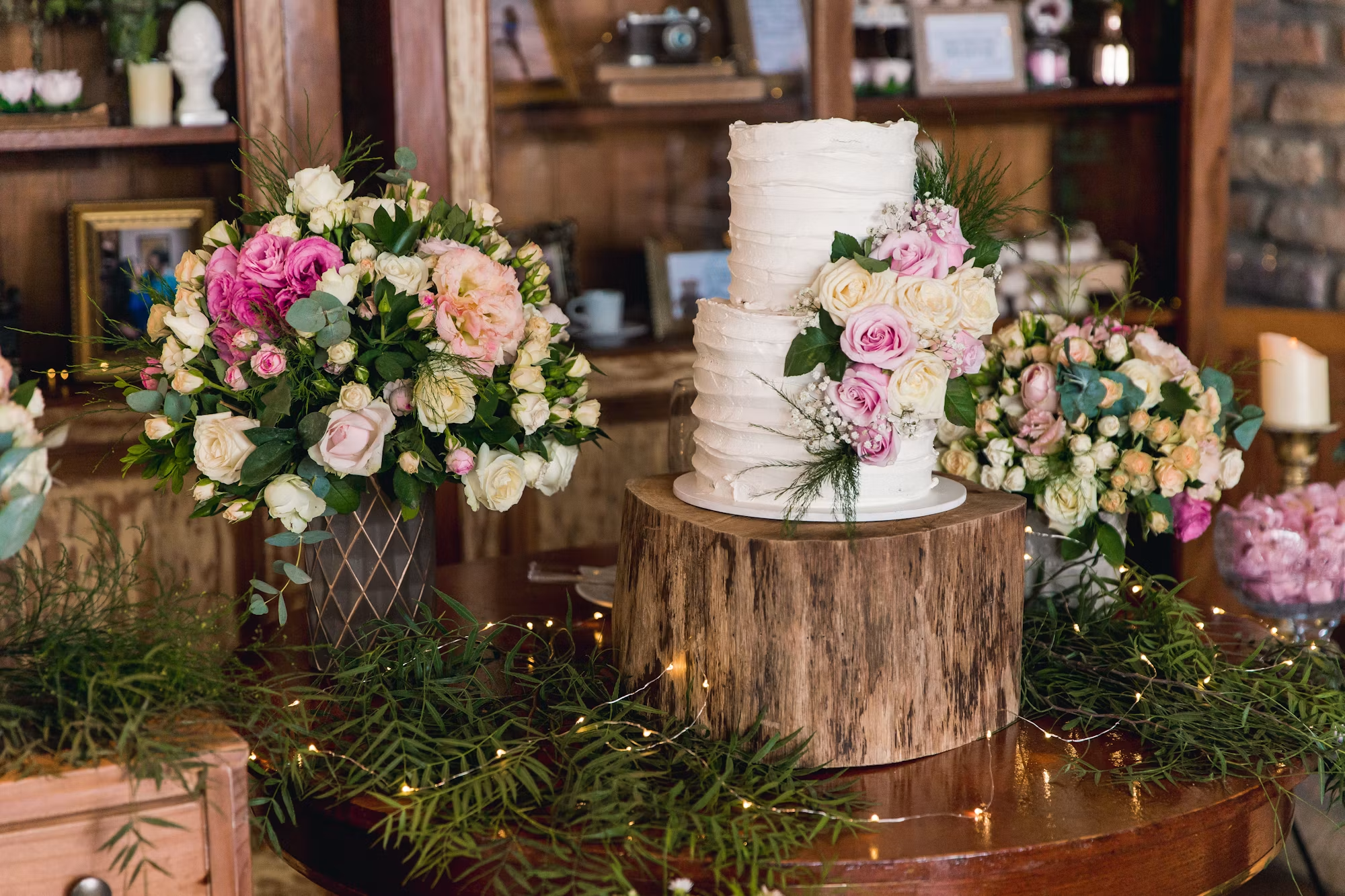
Choosing a theme or style for the wedding can add a personal touch and create a cohesive atmosphere. Couples can draw inspiration from their personalities, favorite colors, or significant experiences they’ve shared. Popular themes include vintage, rustic, modern, or even seasonal themes that highlight the beauty of the time of year. Once a theme is established, it can guide decisions related to decor, attire, and even the types of flowers chosen. This cohesive approach can elevate the overall experience for both the couple and their guests.
Attire is another crucial aspect of wedding planning. The choice of wedding dress or suit should reflect the couple’s style and the overall theme of the wedding. It’s essential to begin the attire search early, as alterations and fittings can take time. Couples should also consider their bridal party’s outfits, ensuring they complement the overall aesthetic while allowing each member to feel comfortable and confident. By keeping the lines of communication open regarding attire, couples can ensure everyone is on the same page and satisfied with their choices.
Catering plays a significant role in any wedding celebration. The menu should reflect the couple’s tastes while also considering dietary restrictions of guests. Couples can opt for a seated dinner, buffet, or even food stations offering a variety of options. Tasting sessions with potential caterers can be an enjoyable experience, allowing couples to sample different dishes and make informed decisions. Additionally, signature cocktails can add a personal touch to the bar offerings, making the celebration feel unique and tailored to the couple’s preferences.
Entertainment is key to setting the mood for the celebration. Couples can choose between live bands, DJs, or even unique entertainment options such as photo booths or performers. It’s essential to select entertainment that aligns with the wedding’s theme and keeps guests engaged throughout the event. Couples should also consider including special moments during the reception, such as toasts, speeches, or unique traditions that reflect their heritage. These personal touches can create a memorable atmosphere for both the couple and their guests.
Another critical consideration in wedding planning is photography and videography. Capturing the day’s moments is essential, as these memories will be cherished for years to come. Couples should research potential photographers and videographers, reviewing their portfolios to ensure their style aligns with the couple’s vision. Discussing expectations beforehand can help create a comfortable atmosphere and ensure that key moments are captured without being intrusive. Many couples also choose to create a wedding hashtag, encouraging guests to share their own photos on social media, which can be a fun way to collect memories from various perspectives.
As the wedding date approaches, couples should create a timeline for the day, detailing the schedule for the ceremony, reception, and any other events. A well-planned timeline helps ensure that everything runs smoothly and allows the couple to enjoy their special day without unnecessary stress. It’s also wise to designate someone, such as a trusted friend or family member, to assist with coordinating logistics on the day of the wedding. This support can help alleviate pressure on the couple, allowing them to focus on celebrating their love.
Lastly, amidst the planning, couples should take time to enjoy each other’s company and the engagement period. Wedding planning can be overwhelming, so setting aside time for date nights, mini-getaways, or simply enjoying each other’s presence can help strengthen the bond. Remembering the reason behind the celebration—the love and commitment to one another—will ensure that the planning process is filled with joy rather than stress.
In conclusion, planning a wedding involves numerous details, but with careful organization and open communication, couples can create a beautiful and memorable celebration. By establishing a budget, choosing a meaningful venue, and incorporating personal touches, they can craft a wedding day that reflects their love story. Ultimately, the goal is to create an unforgettable experience for both the couple and their guests, marking the beginning of their journey together as partners in life. With these tips in mind, couples can navigate the wedding planning process with confidence and excitement.